
In the ever-evolving digital landscape, the emergence of Web3 has introduced a paradigm shift in how we think about online presence and visibility. As decentralized technologies gain traction, traditional SEO strategies are no longer sufficient to ensure optimal performance. This article explores the concept of Decentralized Web SEO and provides actionable insights on how to prepare for Web3 and distributed indexing.
What Is Decentralized Web SEO and Why It Matters
Decentralized Web SEO refers to the practice of optimizing content and websites for decentralized platforms and search engines. Unlike traditional SEO, which focuses on centralized search engines like Google, Decentralized Web SEO involves adapting strategies to work with blockchain-based systems, peer-to-peer networks, and decentralized search engines such as Presearch and YaCy.
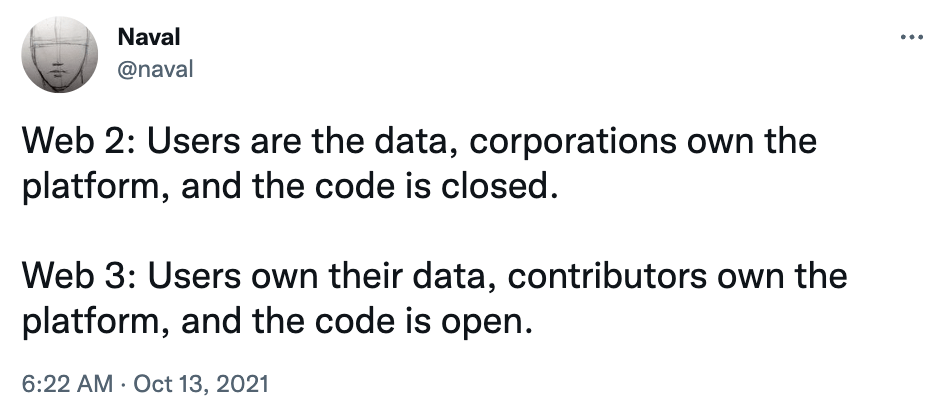
The significance of this shift lies in the unique characteristics of the decentralized web. dWebsites (decentralized websites) operate on peer-to-peer networks, offering enhanced data security, user privacy, and resistance to censorship. However, these benefits come with new challenges, particularly in terms of visibility and discoverability.
For instance, platforms like Unstoppable Domains and DTube demonstrate the potential of decentralized websites. Yet, without proper optimization, these sites may not reach their full audience. Decentralized Web SEO ensures that these innovative platforms can effectively compete in the digital space.
How Decentralized Web SEO Impacts SEO Performance
Decentralized Web SEO influences several aspects of SEO performance, including:
- Visibility: By leveraging decentralized search engines, content can be discovered by users who prioritize privacy and decentralization.
- Engagement: Users on decentralized platforms often seek high-quality, transparent content. Optimizing for these audiences can lead to increased engagement and loyalty.
- Ranking: While traditional SEO relies heavily on backlinks and keyword density, Decentralized Web SEO emphasizes community engagement, node reputation, and content relevance within the decentralized ecosystem.
Moreover, the integration of blockchain technology introduces new metrics for success. For example, the “node reputation” of a website can influence its ranking on decentralized search engines. This means that building a strong community and fostering trust are crucial components of Decentralized Web SEO.
Step-by-Step Implementation Framework
1. Define or Audit the Current Situation
Begin by assessing your current SEO strategy and identifying areas that need adaptation for the decentralized web. Consider the following:
- Audience Analysis: Understand who your target audience is and what they value in a decentralized environment.
- Content Evaluation: Review existing content to determine its relevance and quality in the context of Web3.
- Technical Assessment: Evaluate your website’s compatibility with decentralized technologies and search engines.
2. Apply Tools, Methods, or Tactics
Leverage tools and methods tailored for Decentralized Web SEO:
- Keyword Research: Utilize tools like AnswerThePublic and Ubersuggest to identify relevant keywords specific to your Web3 niche.
- Content Optimization: Create high-quality, informative content that addresses the needs and interests of your audience.
- Community Engagement: Participate in Web3 forums, social media groups, and DAOs to build relationships and establish authority.
3. Measure, Analyze, and Optimize
Track the performance of your Decentralized Web SEO efforts using analytics tools designed for the decentralized space. Key metrics to monitor include:
- Traffic Sources: Identify where your traffic is coming from, whether it’s traditional search engines or decentralized platforms.
- Engagement Rates: Monitor how users interact with your content and adjust your strategy accordingly.
- Conversion Rates: Evaluate the effectiveness of your content in driving conversions and achieving business goals.
Tools like Covalent can provide insights into user behavior and dApp usage, helping you refine your approach.
Real or Hypothetical Case Study
Consider a hypothetical scenario involving a decentralized finance (DeFi) platform. The platform aims to attract users interested in peer-to-peer lending through Ethereum-based dApps. By implementing Decentralized Web SEO strategies, the platform can:
- Target Specific Keywords: Focus on keywords like “Ethereum DeFi lending” and “P2P crypto loans.”
- Create Valuable Content: Develop blog posts, videos, and guides that educate users on the benefits of decentralized lending.
- Engage with the Community: Participate in blockchain forums and collaborate with influencers to build credibility and drive traffic.
As a result, the platform sees a significant increase in traffic and engagement, leading to higher conversion rates and improved visibility on decentralized search engines.
Tools and Techniques for Decentralized Web SEO
Several tools and techniques can aid in optimizing for the decentralized web:
- Presearch: A blockchain-based search engine that rewards users with tokens for searching, making it an effective platform for targeting privacy-conscious users.
- YaCy: A free, decentralized search engine that allows users to create their own search portals, ideal for local and niche searches.
- Covalent: A decentralized analytics platform that offers insights into dWebsite performance, helping to track user behavior and optimize content.
- Google Structured Data Markup Helper: A tool for creating schema markup to enhance the visibility of your content on search engines.
- Yoast SEO: A WordPress plugin that simplifies the process of optimizing meta tags and other on-page elements.
- Ubersuggest: A comprehensive tool for keyword research and content optimization, suitable for both traditional and decentralized SEO.
Future Trends and AI Implications
As AI continues to evolve, its impact on Decentralized Web SEO will become more pronounced. Search engines like Google are already integrating AI to improve search results, and this trend is expected to extend to decentralized platforms. Here are some future implications:
- AI-Powered Personalization: AI can help tailor content to individual user preferences, enhancing the user experience on decentralized platforms.
- Enhanced Indexing: AI algorithms can improve the efficiency of decentralized indexing, making it easier for users to find relevant content.
- Voice and Multimodal Search: With the rise of voice assistants and multimodal search, optimizing for these formats will become essential.
To stay ahead, focus on creating high-quality, engaging content that aligns with the values of the decentralized web. Embrace AI tools that can help you analyze data and make informed decisions.
Key Takeaways
- Understand the Decentralized Ecosystem: Familiarize yourself with the unique characteristics of decentralized platforms and search engines.
- Optimize for Privacy and Security: Prioritize content that emphasizes transparency, user control, and privacy.
- Engage with the Community: Build relationships within the Web3 community to establish authority and drive traffic.
- Utilize the Right Tools: Leverage tools like Presearch, YaCy, and Covalent to enhance your SEO efforts.
- Stay Informed: Keep up with the latest trends and developments in the decentralized web to adapt your strategies accordingly.
By embracing Decentralized Web SEO, you can position your brand for success in the evolving digital landscape. The future of SEO is decentralized, and now is the time to prepare for it.
Meta Title: Understanding Decentralized Web SEO: Preparing for Web3 and Distributed Indexing
Meta Description: Learn how to optimize your content for the decentralized web and prepare for Web3 and distributed indexing. Discover key strategies and tools for success.
SEO Tags (5): Decentralized Web SEO, Web3, Distributed Indexing, SEO Strategies, Blockchain
Internal Link Suggestions: [Parameter #160: Decentralized Web SEO (Web3 readiness)], [Parameter #98: Voice Search Optimization], [Parameter #161: SGE Narrative Alignment]
External Source Suggestions: https://www.presearch.org, https://yacy.net, https://covalenthq.com



About the Author