

In the ever-evolving landscape of digital marketing, artificial intelligence (AI) has emerged as a game-changer. With its ability to process vast amounts of data, automate tasks, and generate content at scale, AI is revolutionizing how brands create, distribute, and optimize their content. However, while AI offers efficiency and scalability, it’s the human touch that ensures authenticity, creativity, and emotional resonance in marketing campaigns. This guide explores the intersection of AI and human creativity, offering strategies, tools, and trends that empower marketers to leverage AI effectively while maintaining the personal connection that drives engagement.
The Role of AI in Digital Marketing
AI has become an indispensable tool for modern marketers, enabling them to streamline workflows, analyze customer behavior, and deliver personalized experiences. From automating repetitive tasks to generating insightful reports, AI enhances productivity and allows marketers to focus on strategic initiatives. Here’s how AI contributes to digital marketing:
Automation of Tasks
AI simplifies the mundane aspects of marketing, such as ad placements, email segmentation, and social media scheduling. By handling these routine tasks, AI frees up time for marketers to focus on creative and strategic work. For example, platforms like HubSpot and Mailchimp use AI to automate email campaigns, ensuring that messages are sent at optimal times based on user behavior.
Predictive Analytics
AI-powered predictive analytics tools help marketers anticipate customer needs and preferences. By analyzing historical data, AI can forecast trends and identify opportunities for growth. Tools like Google Analytics and Adobe Sensei provide insights into customer behavior, allowing marketers to make data-driven decisions that boost ROI.
Content Generation Efficiency
AI tools like ChatGPT and Copy.ai can generate high-quality content quickly, making it easier to maintain a consistent brand voice across multiple channels. These tools not only save time but also ensure that content remains relevant and aligned with brand messaging.
Limitations of AI in Digital Marketing

Despite its many advantages, AI has limitations that highlight the importance of human oversight. While AI excels at processing data and generating content, it lacks the emotional depth and cultural understanding that humans bring to the table.
Lack of True Creativity
AI relies on existing data to generate content, which can lead to predictable and repetitive outputs. While this is efficient, it may not always capture the spark of genuine creativity that humans can offer. Marketers must step in to add a unique perspective and innovative ideas that AI cannot replicate.
Context and Nuance Misses
Understanding cultural subtleties and nuances is beyond AI’s current capabilities. It often struggles with elements like humor or regional slang, which require deep cultural understanding. Human marketers are essential in navigating these complexities and ensuring that content resonates with the target audience.
Over-Reliance Risks
Over-reliance on AI can lead to errors if not properly monitored. Misinterpreted phrases or inappropriate content suggestions can damage a brand’s reputation. Human oversight is crucial to catch these mistakes and ensure that AI-generated content aligns with brand values and guidelines.
Why the Human Touch Matters
While AI can handle the mechanics of content creation, it’s the human element that builds trust and fosters meaningful connections with audiences. Here’s why the human touch is essential in AI content marketing:
Emotional Connection Counts
Humans have the ability to craft narratives that evoke emotions and connect with audiences on a personal level. Campaigns like Nike’s “Just Do It” demonstrate how human-driven strategies can resonate deeply with consumers, creating lasting impressions.
Authenticity Matters
Maintaining a unique brand voice is crucial for standing out in a crowded market. AI-generated content can sound generic, risking the dilution of a brand’s identity. Humans ensure that content remains authentic and consistent across all platforms.
Ethics at the Forefront
Navigating ethical challenges requires nuanced decision-making that AI may not fully grasp. Humans play a vital role in ensuring that marketing efforts are not only effective but also ethical and socially responsible.
How Humans and AI Can Collaborate Effectively
The most successful marketing strategies combine the strengths of AI with the creativity and intuition of human marketers. Here’s how to achieve this synergy:
Leverage AI for Data Analysis
Use AI to gather and analyze data, identifying patterns and insights that inform your strategy. Tools like Google Analytics and Tableau can provide valuable data that guides your marketing decisions.
Use AI for Routine Tasks
Automate repetitive tasks such as A/B testing, keyword research, and social media management. This allows marketers to focus on more strategic and creative aspects of their campaigns.
Blend AI Insights with Human Strategy
Combine AI-generated insights with human creativity to develop campaigns that resonate emotionally with your audience. For instance, AI can identify trending topics, while humans can craft compelling stories around them.
Implement Feedback Loops
Regularly review campaign performance and use feedback to refine your approach. This continuous improvement ensures that both AI and human efforts align with business goals and audience expectations.
The Future of Digital Marketing: A Balanced Approach
As AI continues to evolve, its role in digital marketing will expand. However, the human element will remain irreplaceable. Here’s what the future holds:
Emerging Trends
AI technology will soon offer better predictive models and deeper personalization. However, human creativity and empathy will still be necessary to craft campaigns that truly connect with audiences.
Importance of Upskilling
Marketers must learn to use AI tools effectively. Understanding how these tools work allows you to harness their power without losing the human touch that makes campaigns impactful.
Symbiotic Relationship
A balanced approach leverages both AI efficiency and human creativity. This collaboration ensures that marketing strategies are not only data-driven but also emotionally intelligent and culturally aware.
Strategies for Effective AI Content Marketing
To maximize the benefits of AI in content marketing, consider the following strategies:
Define Your Audience
Use AI to gather insights about your target audience, but rely on human expertise to understand their motivations and preferences. Tools like Customer Relationship Management (CRM) systems can provide valuable data that informs your content strategy.
Create Engaging Content
Leverage AI to generate content ideas and drafts, but ensure that the final output reflects your brand’s voice and values. Human editors can refine AI-generated content to ensure it meets quality standards and resonates with your audience.
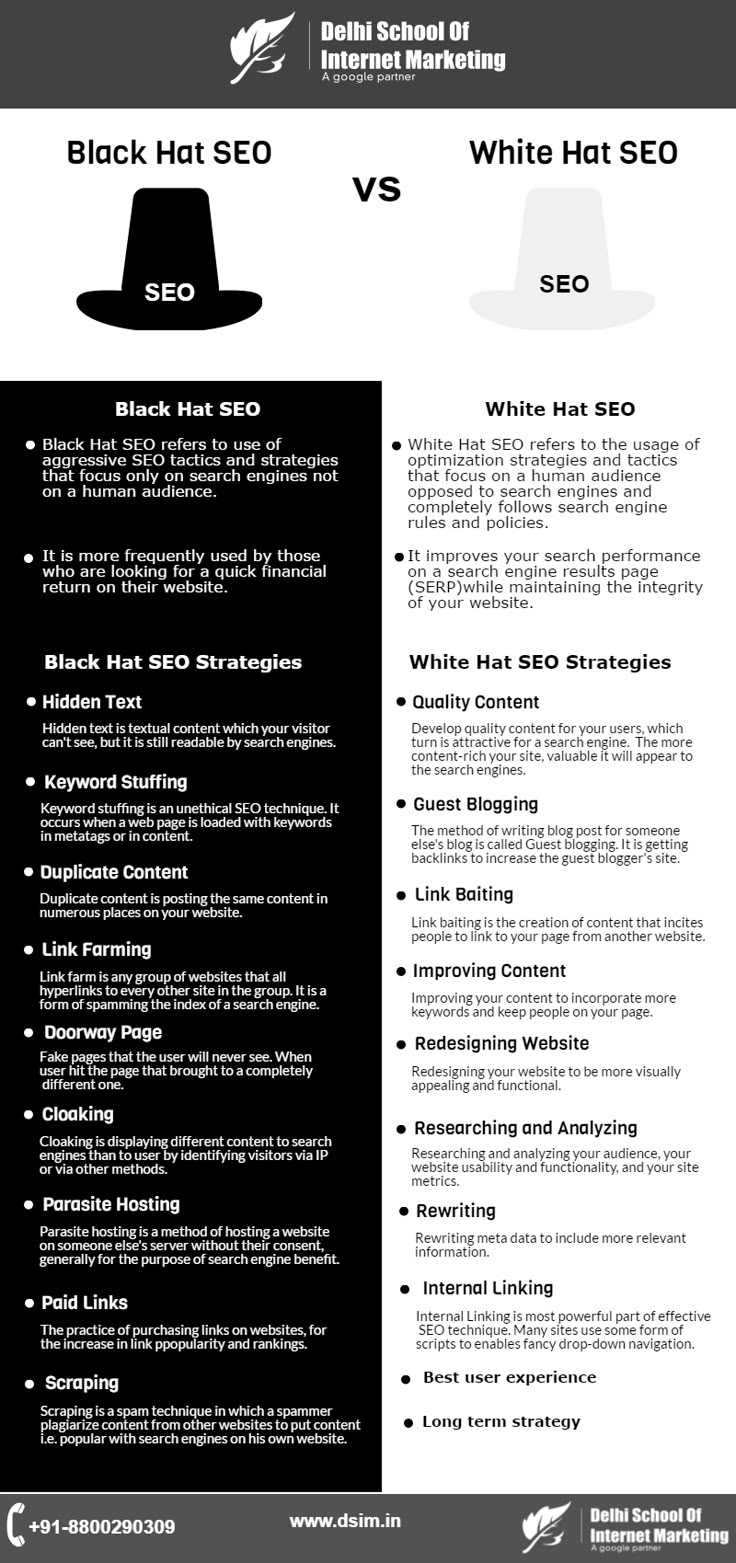
Optimize for SEO
AI can help identify keywords and optimize content for search engines, but human marketers should ensure that the content is engaging and provides value to readers.
Personalize Experiences
Use AI to segment your audience and deliver personalized content, but remember that personalization goes beyond data—it involves understanding the emotional and cultural context of your audience.
Tools for AI Content Marketing

Several tools can enhance your AI content marketing efforts. Here are some of the most popular ones:
1. ChatGPT
ChatGPT is a powerful AI language model that can generate content, answer questions, and even create entire articles. It’s ideal for brainstorming ideas and drafting content quickly.
2. Copy.ai
Copy.ai uses AI to create compelling copy for websites, ads, and social media. It helps marketers produce high-quality content at scale while maintaining brand consistency.
3. Grammarly
Grammarly is an AI-powered writing assistant that checks for grammar, tone, and clarity. It helps ensure that AI-generated content is polished and professional.
4. Canva
Canva uses AI to design graphics and visuals, making it easier for marketers to create visually appealing content without advanced design skills.
Trends Shaping AI Content Marketing
The AI content marketing landscape is constantly evolving. Here are some key trends to watch:
1. Voice Search Optimization
With the rise of voice assistants like Alexa and Siri, optimizing content for voice search is becoming increasingly important. AI tools can help identify long-tail keywords and natural language patterns to improve visibility in voice searches.
2. Interactive Content
Interactive content, such as quizzes and polls, is gaining popularity. AI can help create interactive experiences that engage users and collect valuable data.
3. Video Content
Video content is more engaging than ever, and AI can assist in creating and editing videos. Tools like Pictory and Lumen5 use AI to turn text into video content, saving time and resources.
4. Content Repurposing
AI can help repurpose existing content into different formats, such as turning blog posts into social media posts or infographics. This increases the reach of your content without requiring additional effort.
Best Practices for AI Content Marketing
To get the most out of AI in your content marketing efforts, follow these best practices:
1. Set Clear Objectives
Define your goals before implementing AI tools. Whether it’s increasing engagement or improving conversion rates, having clear objectives ensures that your AI efforts align with your overall strategy.
2. Monitor and Refine
Continuously monitor the performance of AI-generated content and refine your approach based on data. This ensures that your campaigns remain effective and relevant.
3. Maintain Brand Consistency
Ensure that AI-generated content aligns with your brand’s voice and values. Regular reviews and edits by human marketers help maintain consistency and avoid misalignment.
4. Stay Informed
Keep up with the latest developments in AI technology. Attend webinars, read industry publications, and network with other marketers to stay ahead of the curve.
Conclusion
AI content marketing is a powerful tool that can enhance efficiency and drive results. However, it’s the human element that ensures authenticity, creativity, and emotional connection. By combining AI’s capabilities with human insight, marketers can create campaigns that resonate with their audience and achieve long-term success. As AI continues to evolve, the key to effective content marketing will be finding the right balance between technology and human creativity.
About the Author