
In the ever-evolving world of search engine optimization (SEO), the line between ethical practices and manipulative tactics can sometimes blur. While many marketers and website owners aim to boost their rankings, some resort to “black hat” techniques—unethical strategies that violate search engine guidelines. These tactics may yield quick results, but they come with significant risks, including severe penalties from Google and other search engines.
For businesses looking to maintain a strong online presence, avoiding black hat tactics is not just a matter of compliance—it’s a strategic decision that impacts long-term success. This article will explore what black hat SEO is, why it’s dangerous, and how to stay on the right side of the law while still achieving meaningful SEO results.
What Is Black Hat SEO and Why It Matters
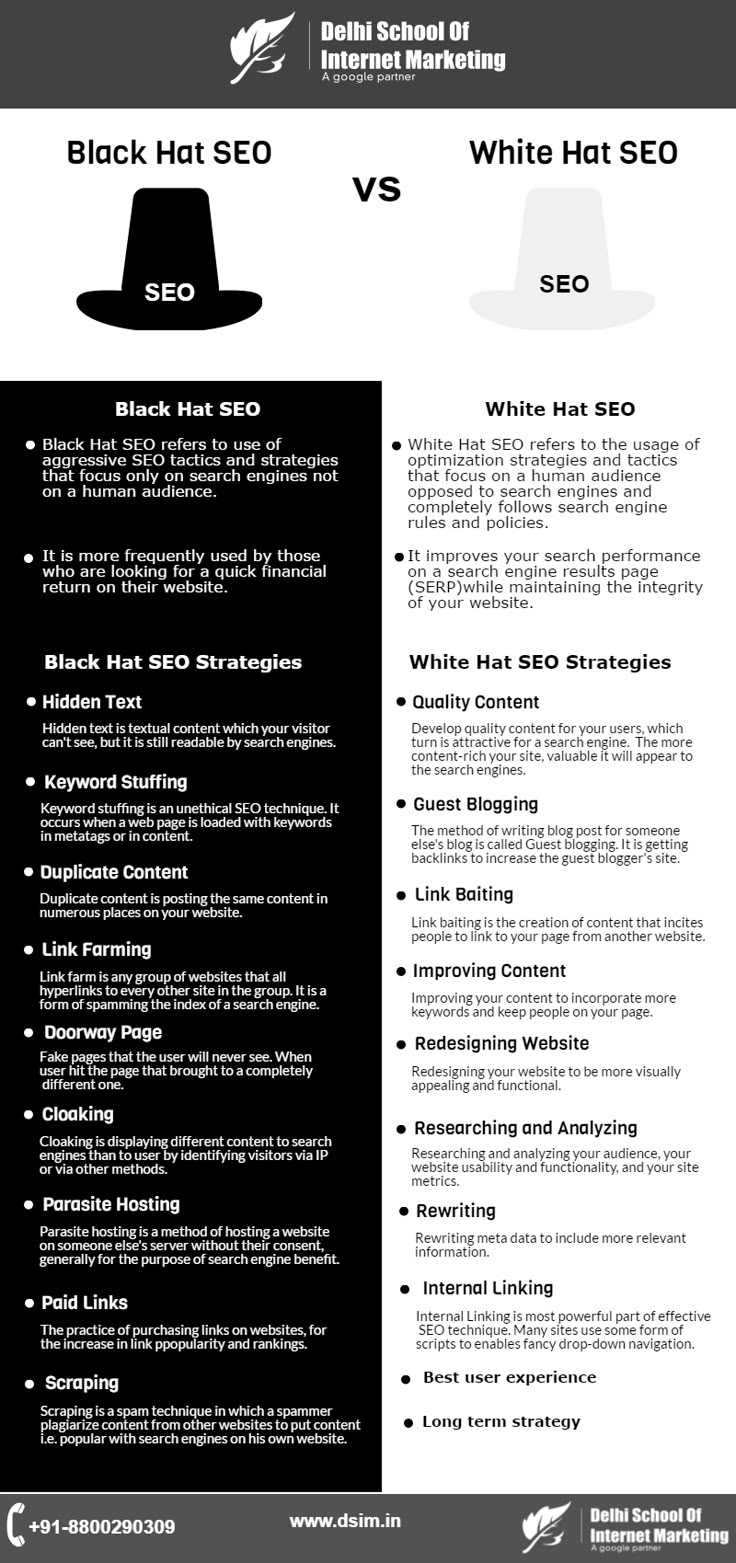
Black hat SEO refers to unethical methods used to manipulate search engine algorithms in order to achieve higher rankings. These tactics often violate search engine guidelines, such as Google’s Webmaster Guidelines, and are designed to deceive both users and search engines. Unlike white hat SEO, which focuses on improving user experience and providing value, black hat techniques prioritize short-term gains at the expense of long-term credibility.
Some common examples of black hat SEO include:
- Keyword stuffing: Overloading content with keywords to artificially inflate relevance.
- Cloaking: Showing different content to search engines than to users.
- Link schemes: Purchasing or exchanging links to artificially boost domain authority.
- Hidden text: Hiding keywords or content from users but making it visible to search engines.
- Spammy backlinks: Using low-quality or irrelevant websites to build backlinks.
While these tactics might seem effective initially, they are highly risky. Search engines like Google have become increasingly sophisticated at detecting and penalizing such activities. A single violation can lead to manual actions, algorithmic penalties, or even complete removal from search results.
How Black Hat Tactics Impact SEO Performance
The consequences of using black hat SEO can be devastating. Here’s how these tactics affect your SEO performance:
-
Manual Actions: Google’s Search Quality team may issue manual penalties for violations such as spammy backlinks, hidden text, or cloaking. These penalties require you to fix the issues and submit a reconsideration request before your site can be re-indexed.
-
Algorithmic Penalties: Google’s algorithms automatically detect patterns of spammy behavior. For example, the Penguin update targets sites with unnatural link profiles, while Panda penalizes low-quality content. These penalties are harder to recover from and often go unnoticed until your traffic drops significantly.
-
Loss of Trust: Users and search engines alike value authenticity. If your site is associated with black hat tactics, it can damage your brand’s reputation and reduce user engagement.
-
Short-Term Gains, Long-Term Losses: While black hat techniques may provide a quick boost in rankings, they rarely last. As search engines update their algorithms, these tactics become less effective, leaving you scrambling to find new ways to maintain visibility.
-
Increased Risk: The risk of being penalized has never been higher. With more advanced detection tools and stricter enforcement, even minor violations can result in severe consequences.
Step-by-Step Implementation Framework
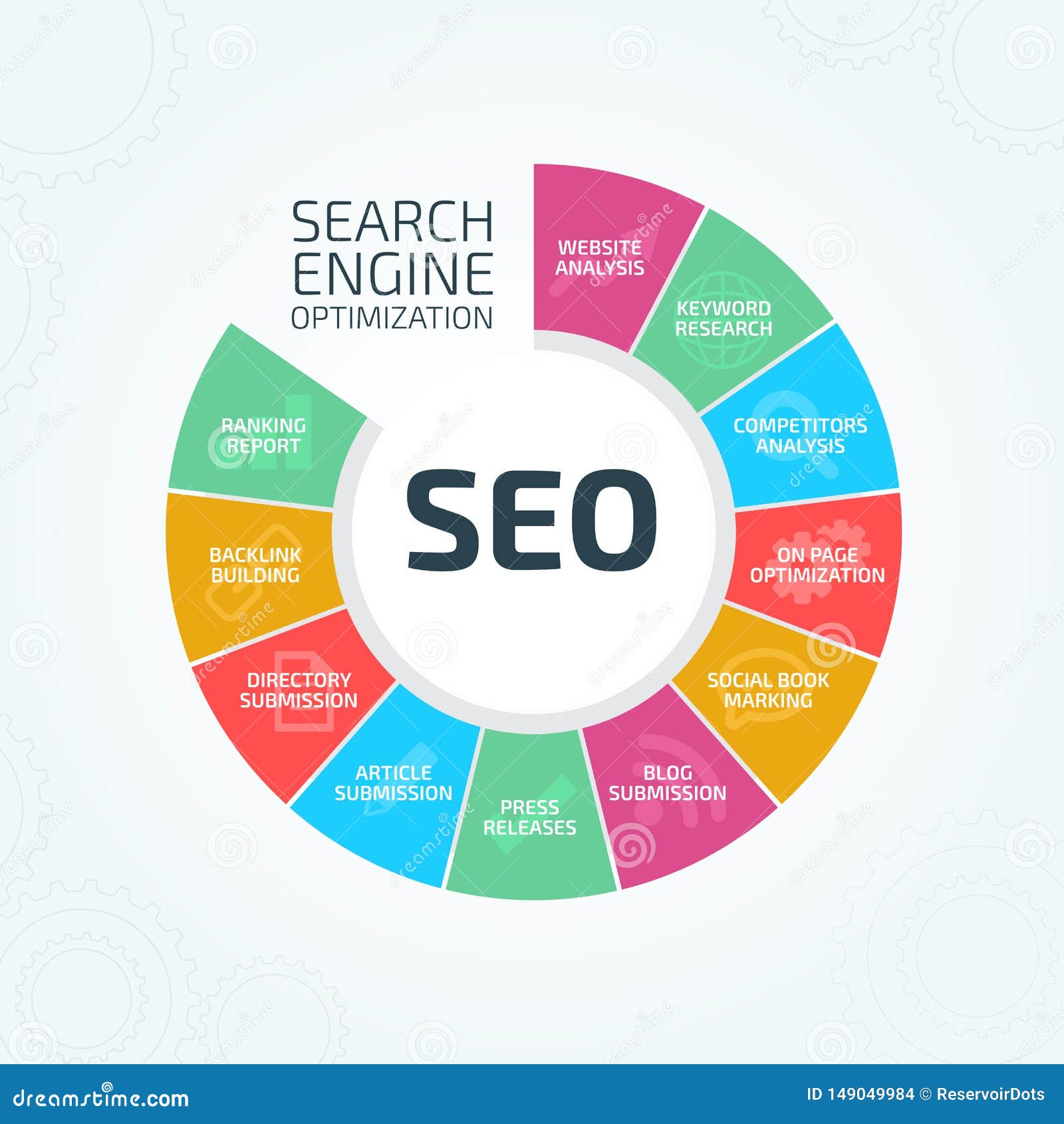
To avoid black hat tactics and ensure long-term SEO success, follow this structured approach:
1. Define or Audit the Current Situation
Start by assessing your current SEO strategy. Use tools like Ahrefs, SEMrush, or Screaming Frog to analyze your backlink profile, content quality, and technical SEO health. Identify any potential red flags, such as excessive keyword stuffing, suspicious backlinks, or poor user experience metrics.
2. Apply Tools, Methods, or Tactics
Focus on ethical, sustainable practices that align with search engine guidelines. Some key strategies include:
- Create high-quality, original content that provides real value to users.
- Build natural backlinks through outreach, guest posting, and content marketing.
- Optimize for mobile using responsive design and ensuring fast load times.
- Improve user experience by simplifying navigation, reducing bounce rates, and enhancing page speed.
- Use semantic SEO to create content that answers user queries naturally, rather than forcing keywords.
Avoid shortcuts like buying links or using automated content generators. Instead, invest in a content strategy that builds authority and trust over time.
3. Measure, Analyze, and Optimize
Regularly monitor your SEO performance using tools like Google Analytics, Google Search Console, and third-party SEO platforms. Track metrics such as organic traffic, bounce rate, and keyword rankings. Use this data to refine your strategy and make informed decisions.
Also, keep an eye on algorithm updates and adjust your tactics accordingly. Stay updated on changes in search trends and user behavior to remain competitive.
Real or Hypothetical Case Study
Let’s look at a hypothetical case study of two businesses—one using white hat SEO and another relying on black hat tactics.
Business A (White Hat):
– Focuses on creating valuable content, optimizing for user experience, and building natural backlinks.
– Consistently ranks well for targeted keywords.
– Maintains steady traffic growth over time.
– Has a strong brand reputation and customer trust.
Business B (Black Hat):
– Uses keyword stuffing, cloaking, and paid backlinks to boost rankings.
– Initially sees a surge in traffic but quickly loses visibility after an algorithm update.
– Faces manual penalties and struggles to regain trust with search engines.
– Ultimately sees a dramatic drop in revenue and brand credibility.
This case study illustrates the long-term benefits of white hat SEO and the risks associated with black hat tactics.
Tools and Techniques for White Hat SEO
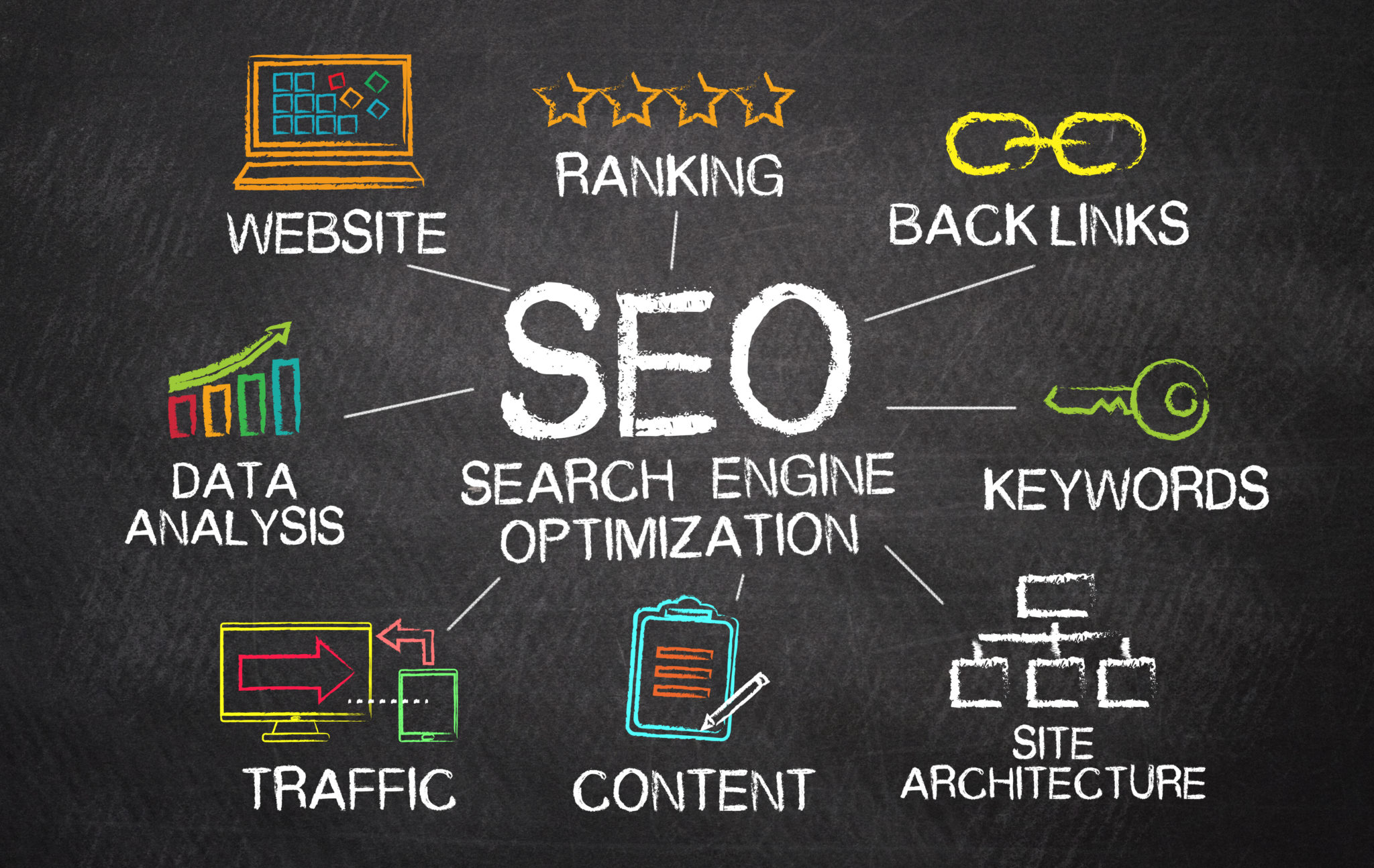
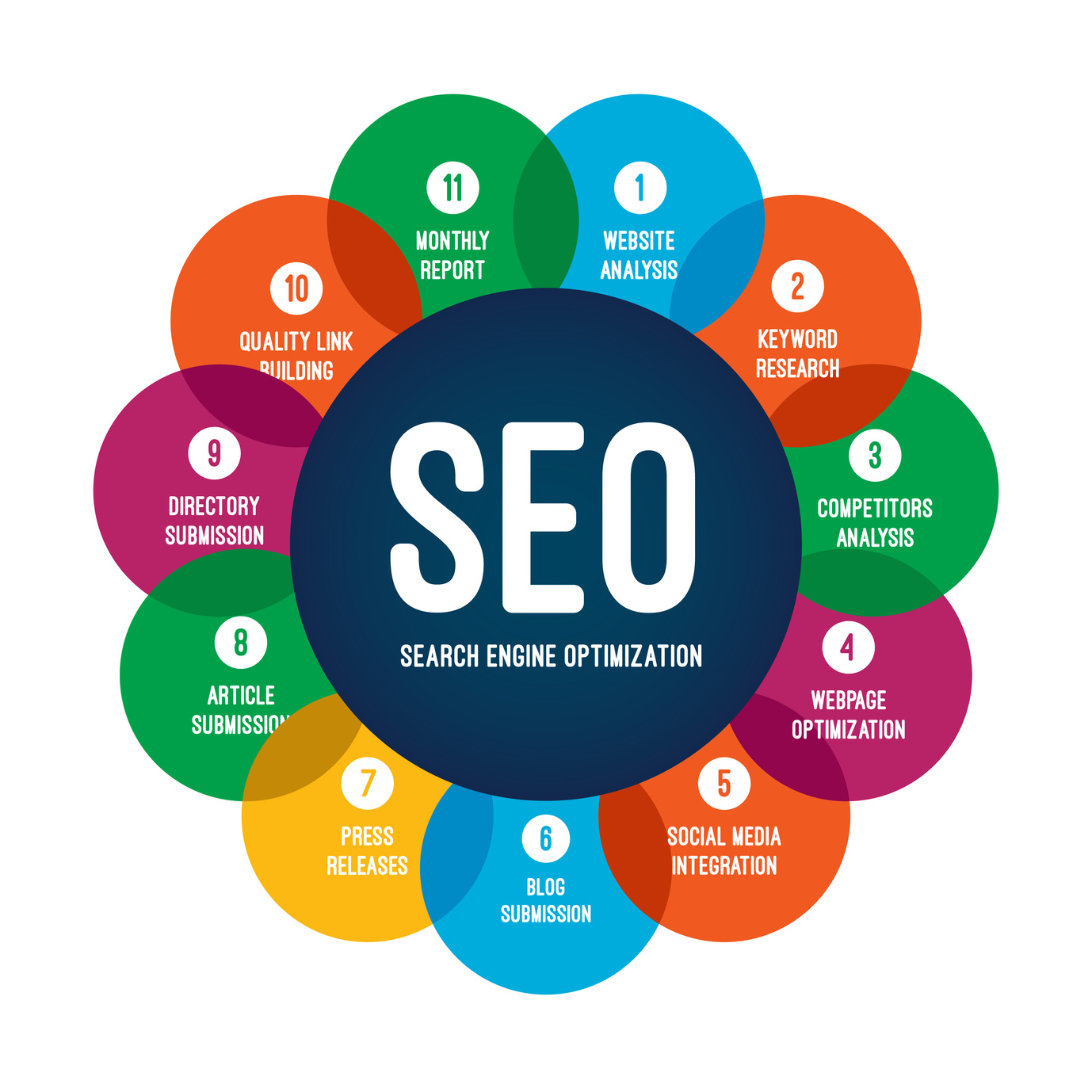
To implement a successful white hat SEO strategy, use the following tools and techniques:
- Ahrefs: For keyword research, backlink analysis, and competitor tracking.
- SEMrush: For comprehensive SEO audits, content optimization, and competitor insights.
- Google Search Console: To monitor your site’s performance and identify issues.
- Moz Pro: For keyword tracking, site audits, and local SEO optimization.
- Yoast SEO: For on-page optimization and content quality checks.
- Google Analytics: To track user behavior and measure the effectiveness of your SEO efforts.
These tools help you stay informed, make data-driven decisions, and maintain a clean, compliant SEO strategy.
Future Trends and AI Implications

As AI continues to shape the future of search, the importance of ethical SEO practices will only grow. Google’s recent updates, such as the introduction of the Experience, Expertise, Authoritativeness, and Trust (EEAT) criteria, emphasize the need for high-quality, trustworthy content.
AI-powered search engines are becoming better at detecting manipulative tactics and rewarding genuine value. This means that businesses must focus on creating content that resonates with users, rather than trying to game the system.
To stay ahead, invest in long-term content strategies, build authority through expert contributions, and prioritize user experience. By doing so, you’ll not only avoid penalties but also position your site for sustained success in an evolving digital landscape.
Key Takeaways
- Avoid black hat tactics to prevent penalties and maintain trust with search engines and users.
- Focus on white hat SEO strategies that prioritize quality, user experience, and long-term growth.
- Audit your site regularly to identify and fix potential issues before they escalate.
- Use trusted tools to monitor performance and make data-driven decisions.
- Stay informed about algorithm updates and industry trends to adapt your strategy effectively.
By choosing ethical SEO practices, you’re not only protecting your website from penalties but also building a foundation for lasting success in the competitive world of search.
Meta Title: How to Avoid ‘Black Hat’ Tactics That Can Get You Penalized
Meta Description: Learn how to avoid black hat SEO tactics that can lead to penalties and protect your website’s ranking and reputation.
SEO Tags (5): #BlackHatSEO #WhiteHatSEO #SEOStrategies #SearchEngineOptimization #AvoidPenalties
Internal Link Suggestions:
– Parameter #5: Content Quality & User Experience
– Parameter #8: Backlink Building Strategies
– Parameter #12: Algorithm Updates & SEO Adaptation
External Source Suggestions:
– Google Webmaster Guidelines
– Moz Blog – Understanding SEO Best Practices
– Search Engine Journal – SEO Trends 2025
About the Author