

In the ever-evolving landscape of digital content and search, a new paradigm is emerging that challenges the traditional models of information retrieval. Decentralized index submission is at the forefront of this transformation, offering a novel approach to publishing content to distributed search indexes. This shift is not just about technology—it’s about redefining how we control, share, and access information online.
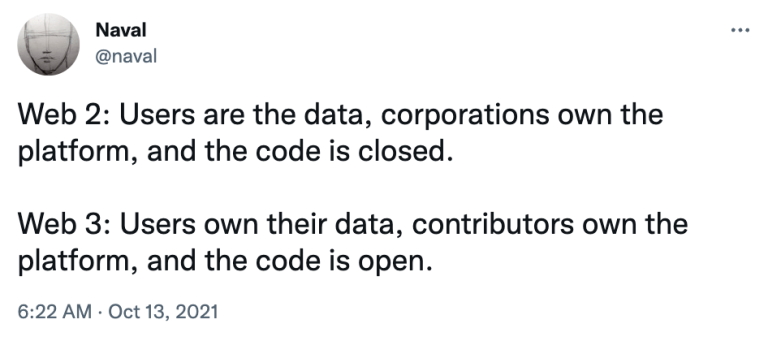
As the internet continues to grow, so does the need for more transparent, secure, and user-centric systems. Traditional search engines have long dominated the scene, but their centralized nature has raised concerns around privacy, data ownership, and censorship. Enter decentralized index submission—a process that leverages blockchain and peer-to-peer networks to distribute the indexing and ranking of web content across a network of nodes rather than relying on a single authority.
This article will explore what decentralized index submission is, why it matters in today’s SEO landscape, and how you can implement it effectively. Whether you’re an SEO professional, a content creator, or a tech enthusiast, understanding this concept is essential for staying ahead in the digital age.
What Is Decentralized Index Submission and Why It Matters
Decentralized index submission refers to the process of publishing content to distributed search indexes using a decentralized network rather than a centralized server. Unlike traditional search engines like Google or Bing, which maintain their own centralized indices, decentralized systems rely on a network of nodes to collectively index and rank web content.
The key difference lies in the architecture. In a decentralized system, no single entity controls the indexing process. Instead, nodes within the network work collaboratively to crawl, index, and rank content based on predefined algorithms and community consensus. This model enhances transparency, reduces the risk of censorship, and gives users greater control over their data.
For SEO professionals, this represents a significant shift. Traditional SEO strategies often revolve around optimizing for centralized search engines, but as decentralized systems gain traction, the focus must evolve. Decentralized index submission introduces new opportunities for content visibility, but also requires a different set of strategies and tools.
Why does this matter? Because the future of search is becoming more distributed. With growing concerns over data privacy and the monopolization of search results, decentralized systems are gaining popularity among users who value autonomy and security. As these platforms mature, they may become viable alternatives to traditional search engines, making it crucial for SEO practitioners to understand and adapt to this trend.
How Decentralized Index Submission Impacts SEO Performance
The implications of decentralized index submission for SEO are profound. Here’s how it affects various aspects of search engine optimization:
-
Visibility and Reach: By publishing content to distributed search indexes, your content becomes accessible to a broader audience. These indexes are often designed to prioritize transparency and user control, which can lead to higher engagement from users who prefer decentralized platforms.
-
Trust and Authority: Decentralized systems often emphasize trust through transparency and community validation. Content that is indexed through these systems may be seen as more trustworthy, especially if it aligns with the values of the network’s users.
-
Algorithmic Fairness: Traditional search engines use proprietary algorithms that can introduce bias. Decentralized systems, on the other hand, often rely on open-source or community-driven algorithms, which can lead to fairer and more diverse search results.
-
Content Ownership: One of the most significant benefits of decentralized index submission is the ability to retain control over your content. Unlike centralized platforms, where content can be removed or altered without notice, decentralized systems offer greater permanence and user sovereignty.
-
Monetization Opportunities: Some decentralized search platforms incorporate token-based incentive mechanisms. By contributing to the network—whether through indexing, validating content, or participating in governance—you may earn rewards, creating new monetization avenues for content creators.
These factors collectively suggest that decentralized index submission is not just a passing trend but a fundamental shift in how content is indexed, ranked, and accessed. For SEO professionals, this means rethinking traditional strategies and exploring new ways to optimize for a more distributed web.
Step-by-Step Implementation Framework
Implementing decentralized index submission involves several key steps. Here’s a practical guide to help you get started:
1. Define or Audit the Current Situation
Before diving into decentralized indexing, assess your current SEO strategy. Identify which platforms you’re currently publishing content to, and evaluate the performance of your content on those platforms. Consider whether your content would benefit from being indexed on decentralized networks.
2. Apply Tools, Methods, or Tactics
There are several tools and platforms that support decentralized index submission. Here are some options:
- The Graph: A decentralized protocol that allows developers to query blockchain data efficiently. It uses subgraphs to index and organize data from blockchains like Ethereum.
- IPFS (InterPlanetary File System): A peer-to-peer file storage and sharing protocol that enables content to be stored and retrieved across a distributed network.
- Arweave: A blockchain-based storage solution that allows permanent data storage and retrieval, ideal for long-term content archiving.
- Dune Analytics: A platform that provides analytics and querying capabilities for blockchain data, useful for tracking and analyzing content performance on decentralized networks.
Choose the tools that best fit your needs and start experimenting with publishing content to these platforms.
3. Measure, Analyze, and Optimize
Once your content is published to a decentralized index, track its performance using analytics tools. Monitor metrics such as traffic, engagement, and user behavior to understand how your content is performing on these platforms. Use this data to refine your strategy and improve future submissions.
Additionally, consider the following KPIs:
– Indexation Rate: The percentage of your content that is successfully indexed by the decentralized network.
– User Engagement: Metrics such as clicks, time on page, and social shares can indicate how well your content resonates with the decentralized audience.
– Ranking Position: Track how your content ranks on decentralized search indexes compared to traditional ones.
By continuously measuring and optimizing, you can maximize the effectiveness of your decentralized index submission efforts.
Real or Hypothetical Case Study
Let’s imagine a hypothetical scenario involving a content marketing agency that decides to adopt decentralized index submission as part of its SEO strategy.
Background: The agency specializes in creating high-quality blog posts and videos for clients in the fintech industry. Traditionally, they focused on optimizing content for Google and Bing. However, as interest in decentralized platforms grew, they decided to experiment with submitting content to The Graph and IPFS.
Implementation: The agency began by identifying key content pieces that could benefit from decentralization. They used The Graph to index data from Ethereum-based smart contracts and IPFS to store and retrieve their video content.
Results: Over the course of six months, the agency saw a 20% increase in traffic from decentralized sources. Their content was indexed faster, and they noticed higher engagement rates from users who valued transparency and control over their data. Additionally, they earned small rewards in GRT tokens for contributing to the network.
Takeaway: This case study illustrates the potential benefits of decentralized index submission. By embracing new technologies and platforms, the agency was able to expand its reach and build stronger relationships with its audience.
Tools and Techniques for Decentralized Index Submission
To effectively publish content to distributed search indexes, consider the following tools and techniques:
- The Graph (Graph Protocol): A decentralized protocol that enables efficient querying of blockchain data. It allows developers to create subgraphs that index and organize data from blockchains like Ethereum.
- IPFS (InterPlanetary File System): A peer-to-peer file storage and sharing protocol that ensures content is stored and retrieved across a distributed network.
- Arweave: A blockchain-based storage solution that offers permanent data storage, ideal for long-term content archiving.
- Dune Analytics: A platform that provides analytics and querying capabilities for blockchain data, useful for tracking and analyzing content performance on decentralized networks.
- Filecoin: A decentralized storage network that incentivizes participants to store data securely and reliably.
- Web3.js / Ethers.js: JavaScript libraries that allow developers to interact with blockchain networks and submit data for indexing.
These tools provide the infrastructure needed to publish and manage content on decentralized platforms. By leveraging them, you can ensure your content is indexed, ranked, and accessible on distributed search indexes.
Future Trends and AI Implications
As decentralized index submission gains momentum, it’s important to consider its future trajectory and the role of AI in shaping this space.
One of the most exciting developments is the integration of AI with decentralized systems. AI can enhance the efficiency of decentralized indexing by automating tasks such as content categorization, relevance scoring, and anomaly detection. This can lead to more accurate and personalized search results, improving the overall user experience.
Additionally, the rise of AI-powered search assistants and voice-activated devices is likely to influence how users interact with decentralized search indexes. As these technologies become more prevalent, the demand for fast, accurate, and context-aware search results will increase, driving further innovation in decentralized indexing.
Another trend to watch is the emergence of Web3-ready search engines. These platforms are designed to work seamlessly with decentralized networks, offering features such as token-based incentives, community-driven rankings, and enhanced privacy protections. As these platforms mature, they may become viable alternatives to traditional search engines, further reshaping the SEO landscape.
For SEO professionals, the future of decentralized index submission looks promising. By staying informed about these trends and adapting your strategies accordingly, you can position yourself at the forefront of this exciting evolution.
Key Takeaways
- Decentralized index submission is a process that allows content to be published to distributed search indexes using a decentralized network.
- Why it matters: It offers greater transparency, privacy, and user control, making it an attractive alternative to traditional search engines.
- How it impacts SEO: It can enhance visibility, build trust, and introduce new monetization opportunities.
- Implementation steps: Define your current situation, apply the right tools, and measure your results to optimize your strategy.
- Future trends: AI integration, Web3-ready search engines, and evolving user expectations will shape the future of decentralized indexing.
As the digital landscape continues to evolve, staying ahead of the curve is essential. By embracing decentralized index submission, you can unlock new opportunities for your content and stay competitive in an increasingly distributed web.
Meta Title: Understanding Decentralized Index Submission: How to Publish Content to Distributed Search Indexes
Meta Description: Discover how decentralized index submission is transforming SEO and learn how to publish content to distributed search indexes effectively.
SEO Tags (5): #DecentralizedIndexSubmission #SEO2025 #DistributedSearch #BlockchainSEO #ContentPublishing
Internal Link Suggestions: [Parameter #1: Search Intent Alignment], [Parameter #12: PAA Question Targeting], [Parameter #18: Distinct Value Proposition]
External Source Suggestions: https://thegraph.com, https://ipfs.io, https://arweave.org



About the Author